Cooking Before the 1929 Stock Market Crash

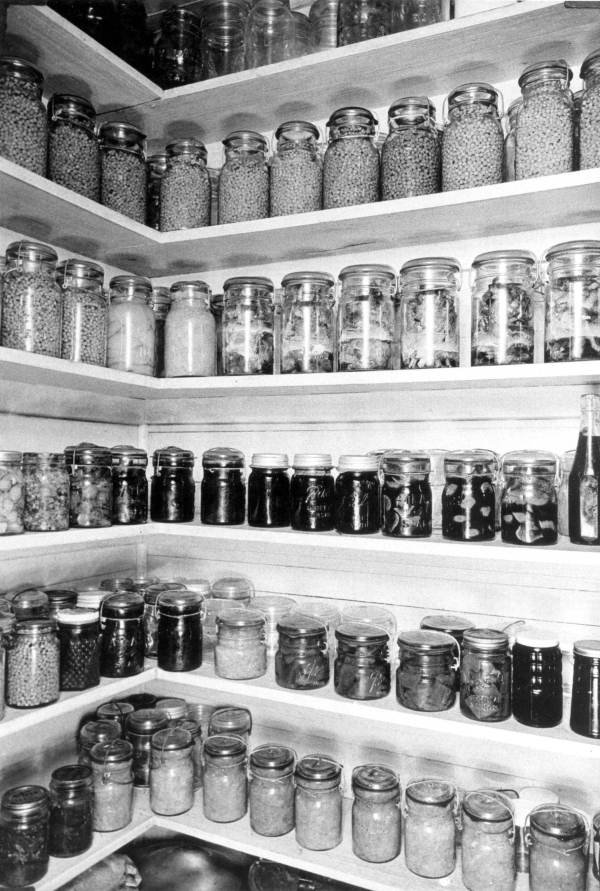
Courtesy of the Florida Memory Project
Today we are starting a series, sharing recipes from the Afro-American's 1929 preserving feature published the last summer before the stock market crash and the start of the Great Depression. An anonymous writer for the Baltimore Afro-American told readers something George Washington Carver had been telling farmers for fifteen years, fruit and berries hold minerals, salts, and vitamins, the writer argued, so a well-stocked preserve shelf does the work of a medicine chest, a fuel storeroom, and a dessert cupboard at once. The nutritional science behind that claim was of its moment and has not aged well. The economics behind it had not aged at all. Buy summer fruit when it is ripe and cheap, put it up, and you have bought winter food at August prices — the same calculation Carver made in Bulletin 26 when he pointed out that two-thirds of the South's fruit rotted every year and that canning turned the loss into both a wall against hunger and a stream of income. The writer also noticed a change in method worth pausing on: the old pound-for-pound preserve, one pound of sugar to one pound of fruit, had given way to three parts sugar to four parts fruit. Sugar cost money. A cook who used a quarter less of it per jar and got the same shelf life had raised their margin without raising the price.
Carver devoted an entire chapter of his preserving work to what he called forty-three ways to save the wild plum crop, and he opened it with an observation about place: nature gives every region a plant best suited to its soil, and Macon County, Alabama, had been given plums. Hundreds of bushels of them rotted on the ground in a good year, which he thought was a standing invitation to build jam and jelly factories. The Afro-American's version shows what happened to that argument once it traveled north to the Chesapeake. Damsons are a small, tart, blue-black plum that early settlers planted in dooryards up and down the mid-Atlantic and that no one bothered to cultivate seriously, so they came cheap or free. To them the recipe adds crushed pineapple and blanched almonds — both bought in cans and boxes from a store, both unavailable to Carver's Alabama farm families. A Baltimore cook was doing the same conversion Carver described, taking a fruit nobody valued and making it worth money, but she was doing it with a wage in her pocket and a grocer on the corner.
Plum Conserve
Ingredients
5 lbs. blue Damson plums
2 cups crushed pineapple
Sugar, three-fourths the measured quantity of the fruit
Juice of 1 lemon
¼ lb. blanched almond meats
Directions
Wash and skin the plums and cut them into small pieces. Add the crushed pineapple. Measure the fruit, then add three-fourths that quantity of sugar. Cook slowly until the mixture becomes a thick, clear jam. Add the lemon juice and the almonds and cook five minutes longer. Seal.
"Summer Fruits for Winter Use," Afro-American, August 31, 1929, 13.