
Ginger Pear Preserves Recipe
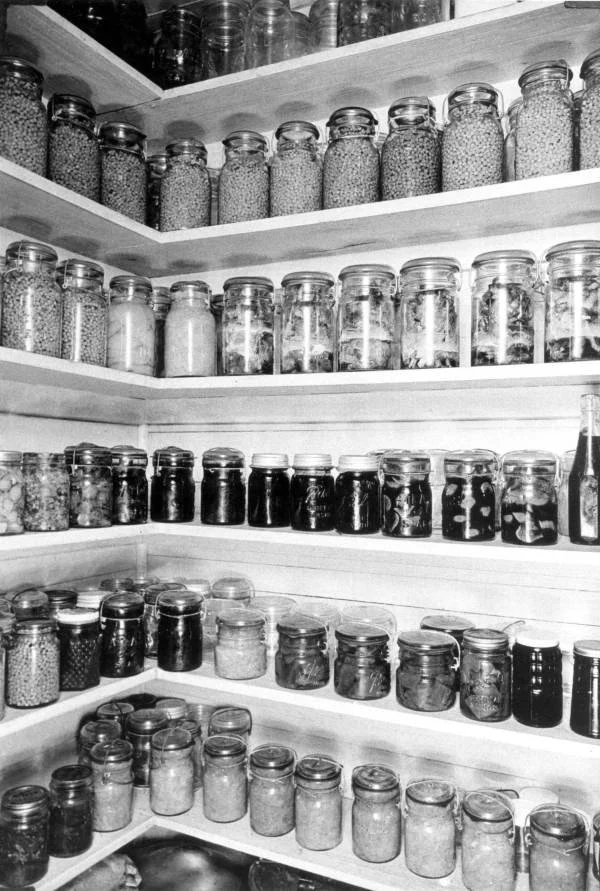
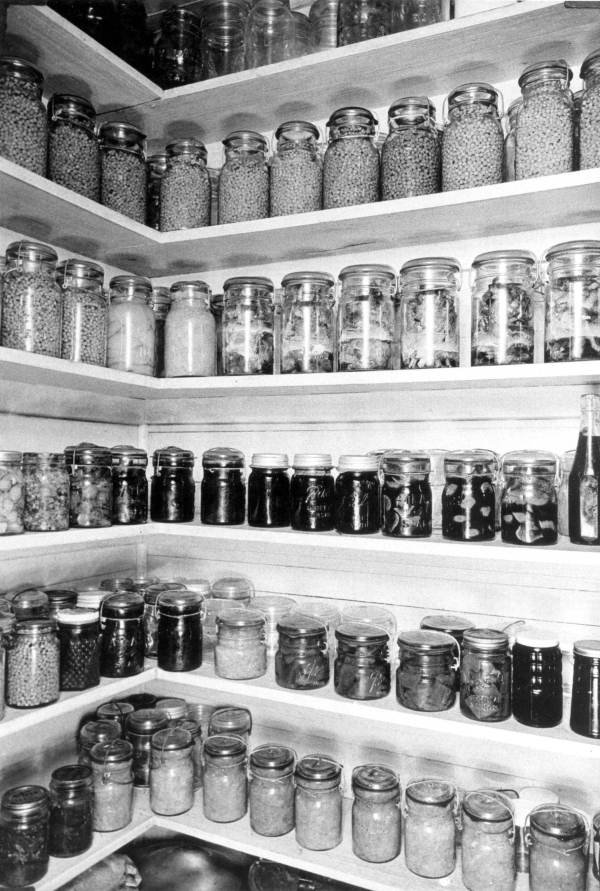
Courtesy of the Florida Memory Project
A woman who signed herself Mrs. Zellicor wrote a household column called "Preserving Hints" for the Pittsburgh Courier in the paper's first year of publication in 1907, and she opened it by addressing the cook who has been putting up fruit the same way her mother did and might now welcome a newer method. That framing matters. The column treated preserving not as a quaint inheritance but as a skill worth updating, which was exactly the argument George Washington Carver was making in his Tuskegee bulletins in the same years — that the fruit going soft in the orchard is money left on the ground, and that sugar, glass, and an hour at the stove convert a crop that spoils in a week into a product that holds its value for a year and can be sold. Her ginger pears make the point twice over. The pears come hard and green off a backyard or farm tree, picked before they are worth eating fresh; the ginger root and lemons come from the import trade, bought with cash. A cook who combined them turned a nearly worthless fruit into something a neighbor, a boarder, or a farmer’s make sale would pay for. Readers in Pittsburgh, most of them recent arrivals from the South, found in a column like this one the household economics of the farm translated for the city.
Ginger Pear Preserves
Ingredients
8 lbs. hard green pears
8 lbs. sugar
½ lb. green ginger root
Juice of 4 lemons
Directions
Cut the outside skin off the lemons in very small pieces. Be sure to cut away the white part, leaving only the yellow outside skin. Put the ginger root to soak in a pint of lukewarm water overnight. Drain off the water, strain it, and save it to put with the sugar. Scrape and cut the ginger in thin slices. Put all the ingredients together and cook nearly an hour, or until the syrup is thick.
Mrs. Zellicor, "Preserving Hints," The Pittsburgh Courier, June 10, 1911, 8.
The same column carried two other recipes — a currant jelly and a watermelon rind preserve, the latter built on the rind that most cooks threw out after serving the red heart for dessert. Say the word and I'll format either or both, since the watermelon rind in particular makes your point about turning waste into revenue even more sharply than the pears do.
