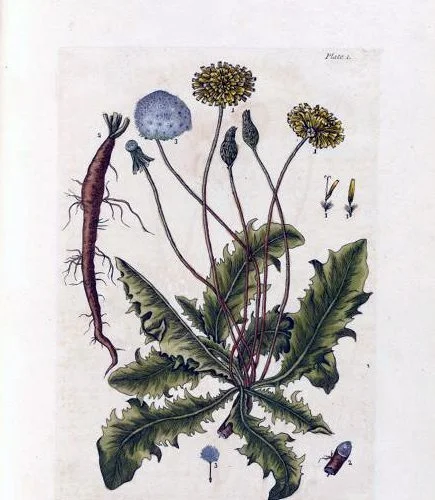
Part 6 Carver on Dandelion Greens
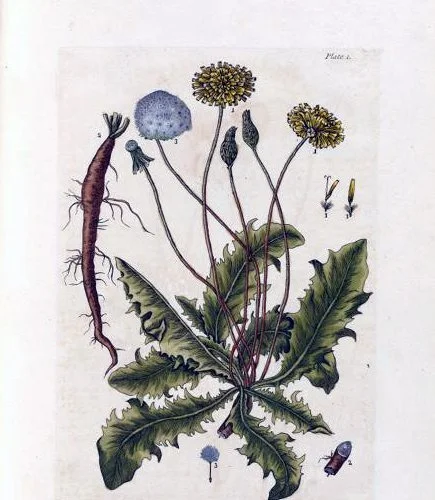
Courtesy of The New York Public Library
We started a series last week on food rebel George Washington Carver’s published agricultural bulletins. We continue today on foraging. Making contributions to our ongoing series Food Rebels. What are food rebels, individuals and groups who started, led or belonged to initiatives, that created and maintained successful food systems, cooperatives, and food sovereignty for traditionally marginalized communities. The heart of Carver's work was the Tuskegee Experiment Station, a nineteen-acre plot of poor, sandy soil where he tested crop rotations and studied what the land could yield. If crops grew there, he reasoned, they would grow anywhere in the South. He distributed the results by the thousands in his bulletins and answered farmers' letters almost daily. The dandelion most people fight as a weed turns up in those pages as a free, nutritious green worth a place on the table.
Dandelion Greens
The dandelions outside your door, in your fields, and along your roads are tender and delicious when they are young. Wash them and cook them the same way you would turnip or collard greens, or prepare them like spinach. You can also make them into a salad.
Dandelion Green Salad Recipe
1 pint young dandelion leaves, finely shredded
1 medium onion, finely chopped
2 small radishes, finely chopped
1 tablespoon parsley, minced
Salt and pepper to taste
Directions
Moisten the greens thoroughly with weak apple cider vinegar or mayonnaise. Mix well, place in a salad dish, and garnish to your taste.
Medicinal Properties
Dandelion greens are rich in antioxidants. They help lower blood pressure, reduce inflammation throughout the body, and support healthy blood sugar and cholesterol levels.
George Washington Carver, Nature’s Garden for Victory and Peace, Bulletin 43 (Tuskegee Normal and Industrial Institute, Experiment Station. Tuskegee, AL: Institute Press, 1942), p. 5–6.)