Part 2 Carver On Strawberries
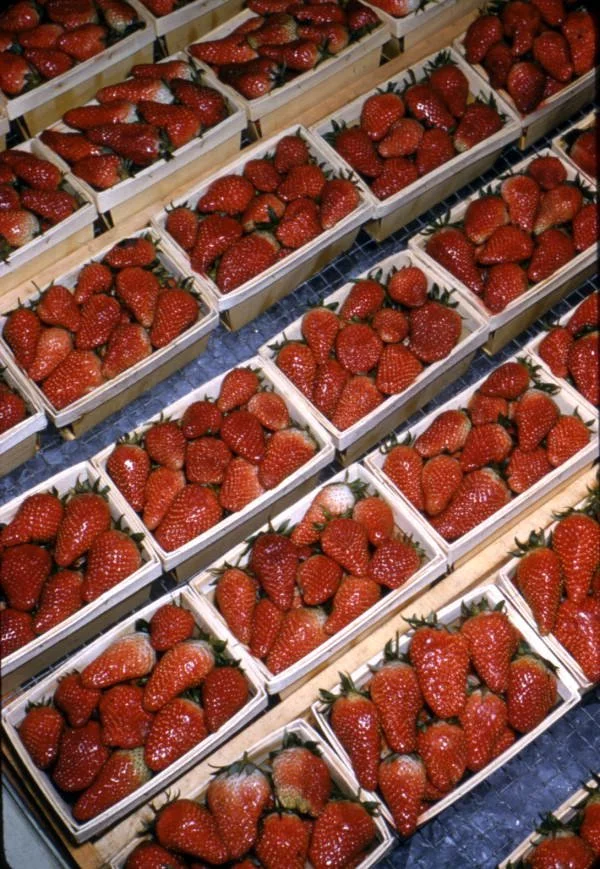
Courtesy of the Florida Memory Project
Food Rebel George Washington Carver was born into slavery in Missouri around 1864 and built a scientific career out of almost nothing. When he arrived at Tuskegee, he assembled his first laboratory from whatever he could find. He turned that same habit—making something valuable from what everyone else discarded—into a program for farmers who owned little and could afford less. His bulletins carried the lesson in plain language anyone could follow, and this one shows how bruised, overripe fruit becomes a keeper worth money and nutrition instead of waste.
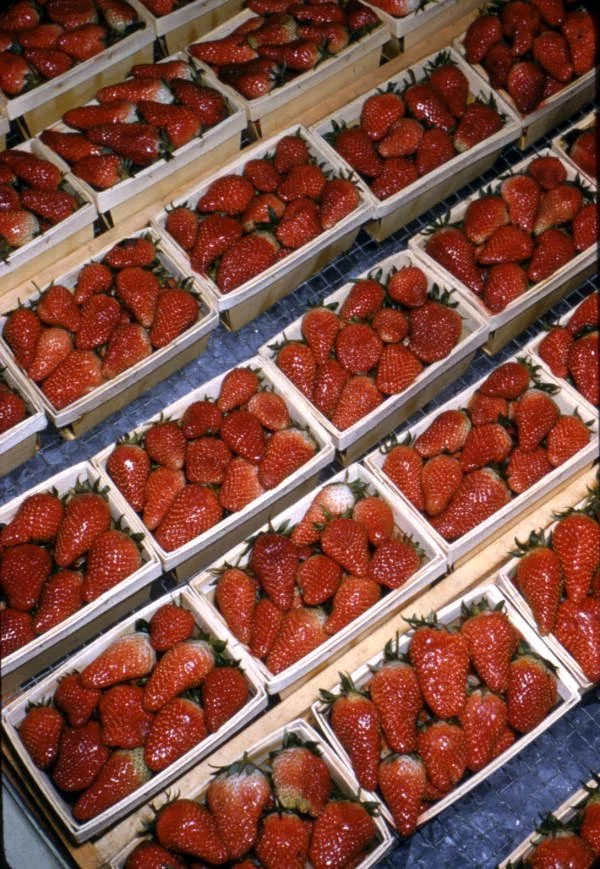
Strawberries are one of my favorite fruits, and I use them in cereal with granola with nuts, chia seeds, coconut, and other fruits as well as frozen in smoothies. When they are on the verge of being overripe is when they are sweetest and perfect for dehydrating. Here is Carver's Strawberry suggestion.
Strawberry Leather Recipe
Thoroughly ripe strawberries
Directions
Mash the ripe strawberries to a pulp and spread the pulp on platters. Dry in a dehydrating, the sun, or a low temperature in an oven. Once the leather is dry, cut the roll into pieces and pack them away in jars. Eat the leather as a candy or soak it in water and use it for pies, shortcake, sauce, or tarts.
George Washington Carver, Nature’s Garden for Victory and Peace, Bulletin 43 (Tuskegee Normal and Industrial Institute, Experiment Station. Tuskegee, AL: Institute Press, 1942)